 “There exists, for everyone, a sentence – a series of words – that has the power to destroy you. Another sentence exists, another series of words, that could heal you. If you’re lucky you will get the second, but you can be certain of getting the first.” -Author Philip K. Dick
It will probably come as no surprise that I have been writing since I could put pen to paper–that’s my bias. That being said, I’m not sure what I would have done without it. In my teen years and early adulthood when I would never (and did never) set foot in a therapy office, I created a safe space in my journals to express everything I couldn’t talk about. Years later, when I began my journey of self-exploration and healing in early adulthood, I was able to reflect with new eyes on everything I had written. What had I learned, if anything, and what was I supposed to learn from the lessons life was giving me?
If you are not in therapy because you don’t believe in it, can’t afford it, or it’s against your religion, writing may help you. If you are in therapy, writing may help you deepen your experience and make yourself the hero of your journey. If you are a parent, and want to know how to help your child deal with the recent traumas from Boston or Newtown, here are some ideas. What is the story you tell yourself about your life and what do you want it to be?
The Health Benefits of Writing
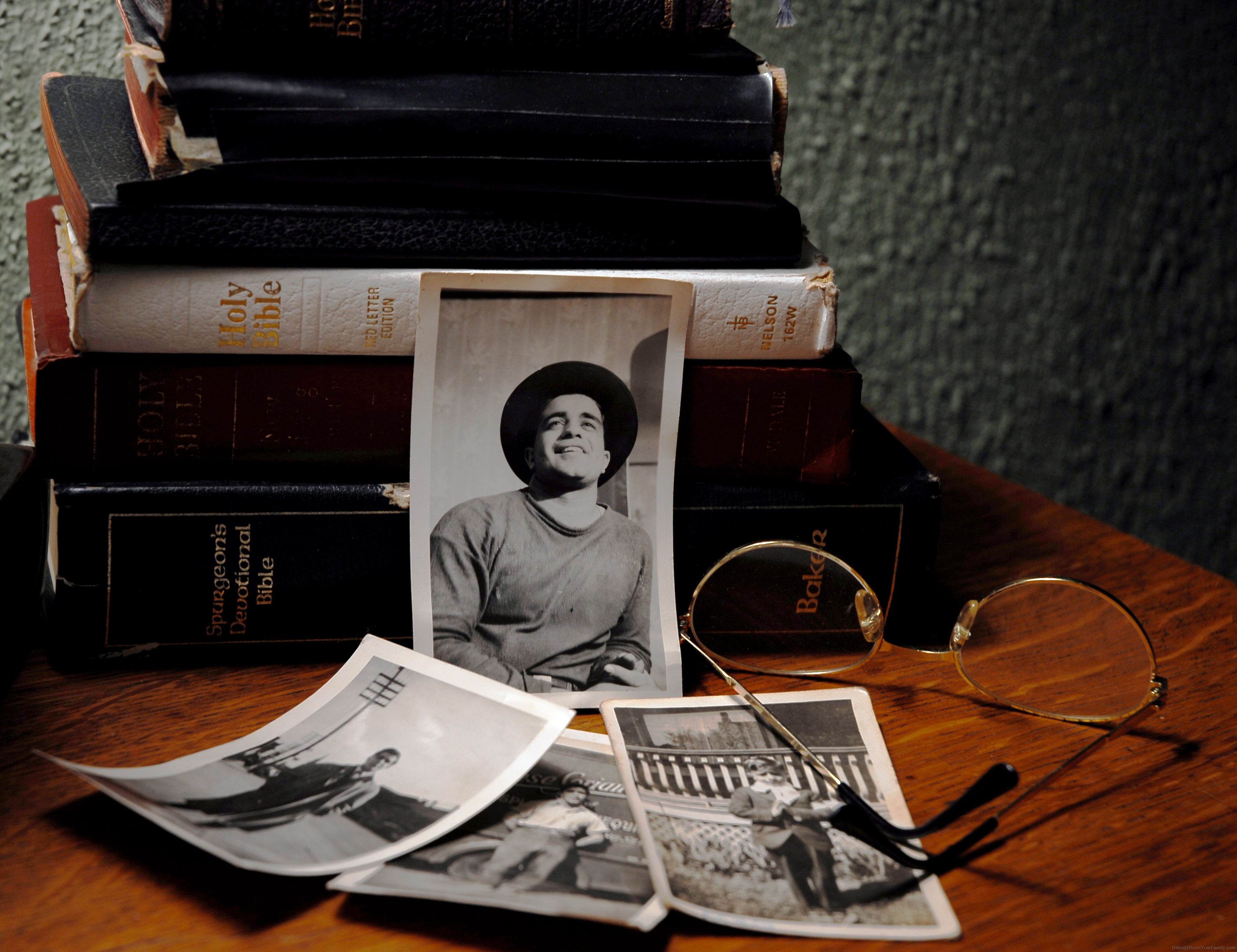
There is now a considerable body of research showing how powerful it can be to write about difficult events. Psychologists James Pennebaker, at the University of Texas and Joshua Smyth at Syracuse have found that written expression can reduce both anxiety and depression, improve immune function, lower stress levels, improve grades in college, and help people recover from trauma. What can be learned from their findings?
1. It is better for our health and well-being to express our negative feelings.
Allow yourself to have ALL the feelings that you have without judging yourself. You can tear these pages up when you are through so no one will ever see them but you. This exercise is particularly helpful for those of you who avoid conflict and never get openly angry, or for the tough types out there who never show fear or vulnerability. Although it is often preferable to talk to a “real” person such as a family member, friend or counselor, not everyone feels comfortable sharing painful truths about themselves. So even if you have no one to talk to, it is better to express yourself in writing than not at all.
 2. Venting emotions is the first step in a process.

Just as the first sessions of therapy typically involve telling your story, and if you are dealing with loss or trauma, telling it with lots of emotion–the first time you write about a painful event, it will often be raw and emotional. Allow all your feelings to emerge–even if they don’t make sense–but keep on writing until you come out the other side. Suppressing or denying our “negative” feelings can make us sick or depressed but equally counter-productive is simply dwelling on only the dark side. It is easy to get stuck in resentment, but not good for our ultimate recovery from stressful life events. Describing negative emotions in moderation is most effective.
3. Writing about our problems can bring some needed distance and new perspective to bear on the situation.
After thoroughly venting about what happened, turn your attention towards what meaning you have attached to your life story. Do you notice any patterns or themes that emerge from your  experiences? Are you frozen in a victim role, blaming others for all of your problems, or are you stuck in a self-defeating interpretation where you judge yourself as bad or wrong no matter what happened? A crucial aspect of the process, if it is to bring healing, is to get deeper insights into the complexity of what happened. Since most things in life are not so black and white as when we are responding with raw emotion, this part of writing allows us to view what happened from multiple perspectives. What realizations emerge as you write freely about what happened and how you responded?
4. For writing to be healing, we must find the positive parts of the story.
 I often ask people to write about what was the silver lining in their painful loss or experience. In facing hardship, most people learn that they had far more courage and strength than they ever imagined. What did you learn about yourself that you never knew before? What is the sentence that is, as Dicks poetically put it, “destroying” you? It is usually a sentence of hopelessness such as “I am permanently damaged,” or “No one will ever love me.” A sentence that can open the door to change might start with, “Up until now”, fill in the blank….”I have chosen the wrong people to be my friends,” or “I have been afraid,” but “I have learned from this experience”…..fill in the blank with a new awareness…”that I am incredibly resilient” or “that I can make new choices.”
In the majority of the research on the effectiveness of this simple tool, people are asked to write about events for twenty minutes a day for just three days in a row. Even with this short amount of focussed writing, the benefits are significant. Imagine if each of us took the time to write about whatever life events still remain mired in negativity, if only once a week for a few months. My guess is that the healing power of words, if cast in the light of new understanding, will bring greater compassion for ourselves and for others. It has helped me find my voice and to be more grateful for the gifts that have come even at the darkest times. Try it, and let me know what you find.

Writing, and self expression in constructive ways can make such a difference. And I LOVE that quote by Philip K. Dick. Thank you! Well said =)
Thank you, Deb!! Beautifully said. Words, fueled by my heart, have poured into journals for 42 years…since I was 7. Turning poetry into music has saved my life from being wasted on confusion and other people’s lies about me. I am a field of Love. Words are my flowers. Songs are my Soul on air. Love and aloha, Claire
Thanks for sharing what a powerful tool writing can be. I love that words are your flowers. Bloom on.